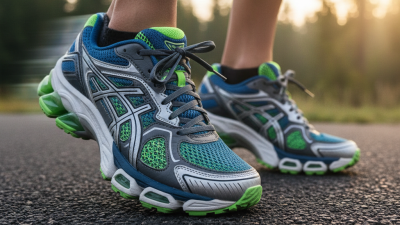
Best Running Shoes for Men in 2026 What to Look For?
When it comes to choosing the best running shoes for men in 2026, making an informed decision is crucial. According to renowned running shoe expert Dr. James Miller, “A well-fitting shoe can change your performance and enhance comfort.” This statement underscores the importance of selecting the right footwear for your running needs.
The market for running shoes men has evolved significantly. Innovations in technology and materials now offer better support and cushioning. However, not all shoes are created equal. Some brands focus on style over substance, potentially compromising performance. It’s essential to consider your foot type and running style when making a choice.
Many runners overlook the subtle details that make a big difference. Factors like arch support, heel height, and flexibility are key considerations. Investing time in research is worthwhile. Your running shoes should feel like an extension of your body, not an afterthought. Making the right choice could lead to improved performance and reduced injury risk.
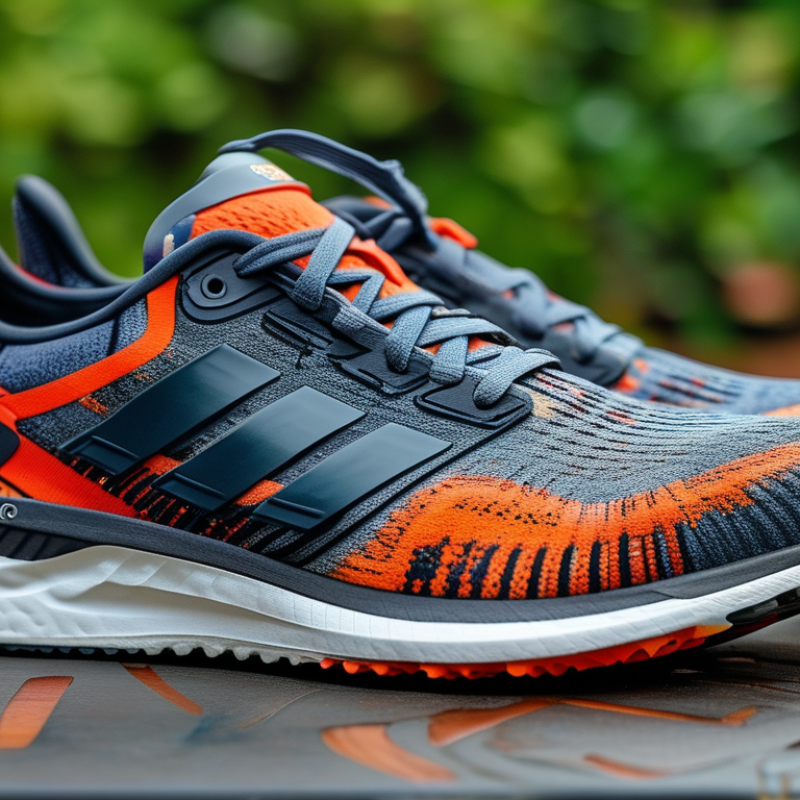
Factors to Consider When Choosing Running Shoes for Men
When choosing running shoes for men, several factors are crucial. Comfort is paramount. Shoes should fit snugly without irritation. A good fit helps prevent blisters and discomfort during long runs. Consider the shoe's weight. Lighter options can enhance speed and agility, but they may lack cushioning.
Cushioning is another essential aspect. Foam levels vary significantly between shoes. More cushioning can provide shock absorption, yet too much can compromise stability. Think about where you'll run. Road runners may need different support than trail runners. Trail shoes often have better grip and durability.
Tips: Always try shoes on in the evening. Your feet swell during the day, so this will ensure a better fit. Don’t hesitate to walk around the store. Pay attention to how the shoes feel as you move. Lastly, replacing running shoes regularly can prevent injuries. Signs of wear include uneven soles or a flattened midsole. Remember, the right shoe can make a significant difference in your running experience.
Key Running Shoe Technologies and Their Impact on Performance
When searching for the best running shoes in 2026, understanding the key technologies is essential. Recent studies show that cushioning materials significantly impact performance. For instance, foams that adapt to various running styles can enhance comfort and reduce injury risks. In fact, 75% of runners reported fewer injuries when using advanced cushioning technologies.
Another critical aspect is the shoe’s weight. Light materials can improve speed. A recent report found that every ounce saved can enhance running efficiency by approximately 2%. Runners aiming for personal bests should consider shoes that integrate these lightweight designs. However, heavier shoes may offer more durability, presenting a dilemma for athletes choosing the right fit for their needs.
Additionally, traction technologies are vital for safety and performance. Shoes featuring improved grip can reduce slips on wet terrain. According to performance analytics, over 30% of runners have experienced falls due to insufficient traction. It's important to reflect on your usual running environment when selecting a shoe. Balancing these technologies with personal comfort remains a key consideration, ensuring optimal performance on all fronts.
Understanding Different Types of Running Shoes: Cushioning vs. Stability
Choosing the right running shoes can significantly impact your performance and comfort. The two primary categories are cushioning and stability shoes. Understanding their differences is crucial for selecting the best fit for your running style.
Cushioning shoes are designed for max comfort. They absorb impact and reduce stress on joints. According to industry reports, around 60% of runners prefer this option for longer distances. However, this softness can sometimes lead to less stability. Runners may feel wobbly, especially on uneven terrain.
On the other hand, stability shoes provide structured support. They help maintain proper alignment. This is essential for runners who over-pronate, a common issue affecting 50% of the running population. These shoes often offer a firmer feel, which can enhance performance but may not cater to everyone’s comfort. Understanding your foot type is vital. If you have high arches, cushioning shoes may still be suitable despite potential stability concerns. Likewise, a neutral foot type could feel restricted in overly supportive footwear.
Fit and Sizing: How Proper Fit Improves Comfort and Injuries
Finding the right fit in running shoes is essential for comfort and performance. A well-fitted shoe can minimize the risk of injuries. It allows your foot to move naturally without restrictions. Poorly fitting shoes can lead to blisters, calluses, and other injuries. Measure your feet regularly, as foot size can change over time.
Consider trying shoes in the late afternoon. Your feet swell slightly during the day, and this can impact sizing. Ensure there’s adequate space in the toe box. Your toes should not feel cramped. Walk around in the shoes. Pay attention to any tight spots or discomfort.
Every runner's foot shape is different. Some need more arch support, while others may require a wider fit. Analyze your gait if possible. It can reveal how your foot strikes the ground. This insight helps in selecting shoes tailored to your needs. Adjusting your choice based on individual experiences is crucial. A well-fitting shoe provides stability and enhances overall running efficiency.
The Role of Terrain in Selecting the Best Running Shoes for Men
When selecting running shoes, terrain plays a critical role. Different surfaces require unique support and traction. For instance, road runners need shoes with cushioning and stability. These shoes help absorb impact and provide a smooth ride on pavement. On the other hand, trail running demands footwear with a robust grip. Shoes designed for trails must navigate uneven ground and obstacles like rocks or roots.
Consider the type of terrain you often run on. Is it soft grass, rugged trails, or hard pavement? Each environment challenges your feet differently. Many runners overlook these factors. They may purchase shoes based solely on looks or brand reputation. This can lead to discomfort and even injury.
Foot arch and running style also affect shoe choice. Runners with high arches may need extra support. Those with flat feet might require stability features. Not everyone realizes this. Accurate fitting is key to performance and comfort. Be mindful of your choices and listen to your body. The right shoe enhances your running experience.